Skip to content
Home Cities Journal Match Compare About Add Studio For studios
Vol. I · Updated April 2026 · 🇺🇸 United States Studio Profile

Restore Hyper Wellness (Bee Caves Rd)
Austin.
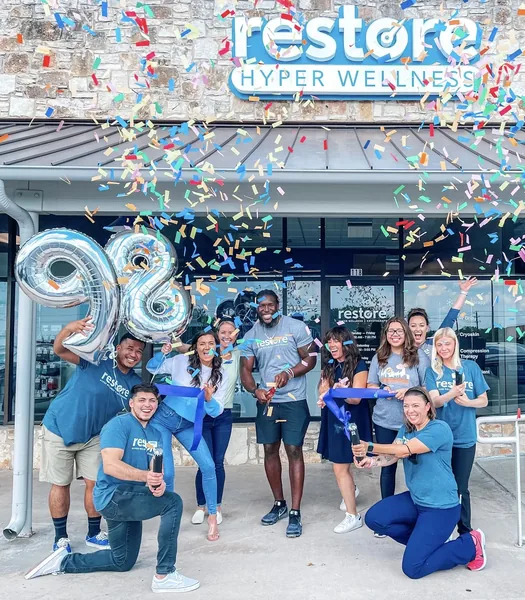
4.9★ rating 148 reviews
Restore Hyper Wellness (Bee Caves Rd)
DetailsAt a glance
Rating ★★★★☆ 4.9 (148 reviews)
Address 3267 Bee Caves Rd Suite 118, West Lake Hills, TX 78746, USA
About this studioOverview

Restore Hyper Wellness (Bee Caves Rd) is a whole-body cryotherapy studio located in Austin, United States. According to Google, Restore Hyper Wellness (Bee Caves Rd) has a public rating of 4.9★ based on 148 user reviews. The studio is listed on CryoStudioFinder, a directory of whole-body cryotherapy providers worldwide.

Information may be outdated or inaccurate; always confirm details directly with the studio before visiting. See our medical disclaimer for health-related considerations.

LocationMap
The short answerWhat you need to know

Restore Hyper Wellness (Bee Caves Rd) is a cryotherapy provider actively listed in Austin, United States, tracked from public business sources. Whole-body cryotherapy exposes the body to temperatures around -110°C to -140°C for 2-3 minutes and is marketed for recovery, inflammation, and general wellness. Evidence is mixed: there is moderate support for muscle recovery in athletes (indexed in PubMed), and weak-to-no support for most chronic-condition claims. Cryotherapy is a wellness service, not a medical treatment, and is largely unregulated. Public reviews aggregate 4.9★ across 148 ratings, a strong volume signal for an individual practice. Before booking, confirm: (1) operators are trained by the equipment manufacturer AND hold current First Aid and CPR certifications; (2) there is a written medical screening protocol; (3) the chamber has appropriate regional safety certification. Cryotherapy is contraindicated in uncontrolled hypertension, recent venous thrombosis, pregnancy, cold-induced disorders (Raynaud's, cold urticaria), and untreated cardiopulmonary disease. The procedure carries rare but documented risks of frostbite and syncope.

Trust ScoreHow we read this listing
C
75/100
Public data signals — non-clinical
See breakdown
Verification
40
Activity
80
Transparency
85
Engagement
99
Conflict
100

Computed from public business signals only — not a clinical assessment. See our methodology for how each dimension is measured.

Before your visitPractical logistics
What to wear in the chamber
The studio provides: gloves, socks, ear/nose protection, and sometimes a mask. You wear your own underwear (cotton, not synthetic that can freeze to skin). Women can wear a sports bra. No jewelry, no watches, no metal.
Before you enter
Your skin must be dry. Remove creams, lotions, and body oils. If you sweat from the commute, towel down. Wet skin + −110°C = frostbite risk.
First visit intake
Arrive 10 minutes early. Expect a medical intake: heart conditions, hypertension, pregnancy, cold sensitivity (Raynaud's), claustrophobia. Be honest — this is not about excluding you, it is about keeping you safe.
Duration of session
Whole-body cryo: 2–3 minutes maximum in the chamber. Localized cryo (face, muscle area): 5–15 minutes. Do not exceed the operator's time — longer is not safer, it is dangerous.
After the session
You will feel energized and slightly euphoric (endorphin release is real). No shower for 1 hour. Drink water. Normal activities can resume immediately. If you feel unwell, numb longer than 10 minutes, or see skin discoloration, tell the operator immediately.
Payment and packages
Single sessions run €30–80. Packs of 10 typically €250–700. Many studios push monthly unlimited — only worth it if you can actually attend 2+ times per week.
Questions nobody asksHonest answers
Is cryotherapy safe if I'm on my period?
Yes. Menstruation is not a contraindication for whole-body cryo. Some clients report reduced cramping post-session. No evidence of cycle disruption from occasional cryo.
Can I do cryo if I'm pregnant?
No. Pregnancy is an absolute contraindication for whole-body cryotherapy. The cardiovascular stress response (blood pressure spikes) is not safe during pregnancy. Localized cryo for specific complaints may be cleared by your obstetrician — do not self-clear. (Source: ACOG on pregnancy precautions.)
I have high blood pressure — is cryo safe?
Uncontrolled hypertension is a contraindication. Controlled, stable hypertension under medication: ask your cardiologist first. Blood pressure rises significantly (15–30 mmHg systolic) during whole-body cryo.
What about breast implants, metal implants, or pacemakers?
Breast implants and standard metal orthopedic implants: generally safe (the cold is not deep enough to affect them). Pacemakers and cardioverter-defibrillators: avoid whole-body cryo — the electromagnetic and temperature shifts are a potential risk. Consult your cardiologist.
I have Raynaud's syndrome — can I do cryo?
No. Raynaud's is a contraindication. The peripheral vasoconstriction can trigger a severe attack. Localized facial cryo may be possible — consult a vascular specialist first.
Does cryo actually work for recovery or weight loss?
Research supports modest benefits for muscle soreness recovery (elite athletic protocols) and anti-inflammatory effects. Weight loss claims: poorly supported. The caloric burn is around 500–800 kcal per session per some studios' marketing — reality is 100–300 kcal based on published research. (Source: PubMed on WBC efficacy.)
Is 2–3 minutes really enough to feel something?
Yes. The physiological effects (vasoconstriction, endorphin release, sympathetic nervous system activation) happen quickly. Extended sessions do not improve outcomes and increase frostbite risk.
How cold does −110°C actually feel?
Less shocking than it sounds because the air is dry, not humid. The first 30 seconds are intense; the body adapts. Compared to an ice bath at 3°C, most clients report cryo as easier to tolerate — the dry cold feels less invasive than water cold.
What is the difference between whole-body cryotherapy (WBC) and localized cryotherapy?
Whole-body cryotherapy (WBC) involves standing in a chamber cooled to −85 to −150°C for 2–3 minutes, exposing the entire body except the head. Localized cryotherapy targets a specific area (knee, shoulder, face) with a cold-emitting wand for 5–15 minutes at higher temperatures (around −30°C). According to Persistence Market Research, WBC represents about 35% of installations globally, while localized devices are used in 81% of cryo centers (often alongside WBC). Most centres offer both — WBC for systemic recovery, localized for targeted soreness or aesthetic applications.
Is cryotherapy compatible with cosmetic surgery recovery or joint replacement?
Most clinical protocols suggest waiting for surgical clearance from your surgeon before resuming cryotherapy. For post-surgery recovery, localized cryotherapy is sometimes used in physiotherapy programs to reduce inflammation. Whole-body cryotherapy is typically avoided in the first 4–6 weeks post-op for major surgery, and metal implants (knee, hip prosthesis) are usually not a contraindication for WBC because exposure is short and external. Always inform your cryo practitioner of your medical history before booking.
Is cryotherapy suitable for diabetics?
Most clinical guidance suggests diabetics with well-controlled blood sugar can use cryotherapy after consulting their physician. Localized cryotherapy near insulin injection sites or diabetic neuropathy zones requires extra caution. Whole-body cryo is generally not contraindicated for stable type 1 or type 2 diabetes, but clients with peripheral neuropathy (reduced cold sensation) should discuss with their doctor first. Always share your diagnosis with the practitioner.
When is the optimal timing for cryotherapy around training?
Sport recovery literature (including studies indexed in PubMed) suggests post-training cryotherapy within 30–60 minutes maximizes the anti-inflammatory window. For pre-event use, some athletes report a stimulant effect from morning sessions. Most studios recommend 2–3 sessions per week during intense training periods, scaling down during deload weeks. Avoid cryo immediately before strength training (the temporary vasoconstriction can reduce performance for ~1 hour).
How often can you safely do cryotherapy sessions per week?
Frequency varies by goal. For sport recovery: 2–4 sessions per week during intense training blocks is typical. For wellness/general circulation: 1–2 sessions per week is most often recommended. For chronic pain or inflammation management: protocols can include daily sessions during acute periods, scaling down. Most cryo studios offer packages of 5–10 sessions, which reflects typical usage patterns. Daily long-term WBC has limited research — most practitioners recommend periodic breaks.
Is cryotherapy compatible with menopause or hormonal changes?
Many clients in perimenopause and menopause report benefits from cryotherapy for hot flashes, mood regulation, and sleep quality — the cold exposure is associated with norepinephrine release and short-term mood elevation in research literature. There are no specific contraindications related to hormonal changes themselves, but clients on hormone replacement therapy with cardiovascular risk factors should consult their physician first. Localized cryotherapy on the face is also popular for skin tightening during this period.
What does cryofacial involve and how does it differ from a regular facial?
Cryofacial uses targeted cold (typically −20 to −30°C) applied via a wand or specialized machine over the face and neck for 8–15 minutes. The aesthetic industry has seen significant boom in 2025-2026 (Accio Industry Report), with cryofacials offered both standalone and combined with micro-current or LED therapy. Clinical observations report short-term reduction in puffiness, temporary skin tightening, and improved blood circulation. Long-term anti-aging claims remain under study. Most clients combine cryofacial with regular skincare routines for visible cumulative results.
What is cryolipolysis (CoolSculpting) and is it different from regular cryotherapy?
Cryolipolysis (the most well-known brand being CoolSculpting) is a fat-reduction treatment that targets specific fat deposits via prolonged cold (around −10°C for 35–60 minutes per treatment area). It works on a different principle than wellness cryotherapy: fat cells are more sensitive to cold than surrounding tissue and undergo apoptosis (programmed cell death). FDA-cleared for specific body areas. Different from whole-body cryotherapy (recovery focus) or cryofacial (aesthetic skin focus). Results take 8–12 weeks to be visible as the body processes treated fat cells.
What is the cryotherapy + microcurrent combination trend in 2025-2026?
The combination of localized cryotherapy with microcurrent stimulation (low-level electrical current that mimics the body's natural bioelectric signals) has emerged as a popular aesthetic protocol in 2025-2026, particularly for facial treatments. The cold reduces inflammation and tightens skin; the microcurrent supports muscle toning and lymphatic drainage. Clinics offering this combination report shorter session times (15–25 min) and visible immediate effects, though long-term clinical research on the combination specifically is still developing.
How do at-home cold therapy devices compare to professional cryotherapy?
At-home cold devices (ice packs, cold compresses, portable cold plunge tubs, cryo facial rollers) are widely used as complement to professional sessions. Professional WBC reaches temperatures (−85 to −150°C) that at-home devices cannot replicate; localized professional devices apply calibrated cold patterns trained practitioners control for safety. Cold plunge tubs (around 3–10°C) are a different modality — water cold is more invasive than dry cold. Many wellness practitioners recommend professional sessions for systemic effects, at-home routines for daily maintenance.
What does cryotherapy do, and what does it not do, according to current research?
Cryotherapy applies short-duration cold exposure to the body, with documented effects on circulation, inflammation markers, and certain forms of muscle soreness (research indexed in PubMed). The FDA's Consumer Update (July 2016) noted that whole-body cryotherapy is not FDA-cleared for treating specific medical conditions — it is used as a wellness modality. What clinical research focuses on: post-exercise recovery in athletes, short-term inflammation reduction, subjective well-being effects. Many clients also report improved mood and energy — a real subjective benefit. For broader wellness goals, cryotherapy is typically combined with regular exercise and recovery practices.
How accurate are the calorie-burning claims (250-500 calories per session)?
The body expends additional energy maintaining core temperature during cold exposure, which is the basis of calorie-burn claims. Estimates of 250–500 calories per WBC session come from observational studies and thermogenic modelling, with significant individual variation based on body mass, metabolic rate, and adaptation level. Cryotherapy is not a primary weight-management tool in clinical literature; sustainable body composition changes come from diet and exercise. Many clients use cryo as part of a broader fitness routine where cumulative effects support their goals.
What does research say about long-term anti-aging effects of cryofacial?
Long-term anti-aging claims for cryofacial are an emerging research area. Short-term documented effects include reduced puffiness, improved circulation, and immediate skin tightening (typically lasting 24–72 hours). Long-term structural skin changes from cold exposure alone are less documented in peer-reviewed literature; most dermatology practitioners frame cryofacial as a complementary modality alongside regular skincare, sun protection, and clinical treatments. Many clients report cumulative subjective improvements with regular sessions (1–2 per week).
How do health insurance and public health systems cover cryotherapy?
In most countries, whole-body cryotherapy and cosmetic cryotherapy are considered wellness services and not covered by public health insurance (Sécurité Sociale in France, NHS in UK, most US insurers). Cryosurgery for specific medical indications (skin lesion removal, certain tumors) is a different medical procedure and is typically covered when prescribed. Some private wellness insurance plans cover cryotherapy as part of preventive wellness packages up to an annual cap. For sport recovery applications, some federations and professional teams reimburse cryotherapy for athletes.
What should you wear in a whole-body cryotherapy chamber?
Most cryo studios provide or require: cotton underwear (dry, no synthetic fabrics that retain moisture), dry socks (often wool blend), thick gloves (often mittens), and ear/headband protection. Studios usually provide all these items or sell them for first sessions. Avoid metal jewelry, watches, piercings (cold conducts), and any lotion or moisturizer that day (can freeze on skin). Dress in easily removable layers for before/after.
What sensations are normal versus concerning after a cryotherapy session?
Normal post-session sensations include: skin redness or mild blotching for 10–30 minutes, tingling, sensation of warmth as circulation rebounds, mild fatigue or energy boost (varies by individual), increased urinary frequency. Concerning sensations that warrant follow-up with the practitioner or a doctor: persistent skin discoloration after 2 hours, blistering or burn-like marks, severe headache, dizziness lasting >30 minutes, or numbness in fingers/toes that persists. The most common adverse event in WBC is mild frostbite (usually minor) from wet skin or extended exposure — studios with proper protocols minimize this risk.
Who should wait or get cleared firstContraindications
Absolute contraindications (whole-body cryo)
Pregnancy, uncontrolled hypertension, unstable cardiovascular disease, Raynaud's syndrome, cold allergy (cold urticaria), pacemaker or ICD, recent heart attack or stroke, deep vein thrombosis. (Source: PubMed on cryotherapy safety.)
Relative contraindications
Diabetes with peripheral neuropathy, open wounds, severe anxiety or claustrophobia, hyperthyroidism, epilepsy. Discuss with your physician.
Medications that require caution
Blood thinners (bleeding risk on skin breaks), beta-blockers (altered cardiovascular response), antidepressants (thermoregulation changes). Tell the operator what you take.
Disclaimer
This list is informational and not exhaustive. Consult a licensed healthcare professional. See our medical disclaimer.
Red flags before you bookStudio quality signals
No medical intake form
Whole-body cryo has real contraindications. A studio that does not ask about heart conditions, pregnancy, or Raynaud's is taking a safety shortcut.
Operator not present during session
The operator should be **in the room** during your session — not answering the phone next door. Panic buttons, time monitoring, and verbal check-ins are standard safety protocol.
No protective gear provided
Gloves, socks, ear and nose protection are non-negotiable. A studio that says they are not needed is unsafe.
Pushing you past time limit
Never over 3 minutes in whole-body cryo. A studio offering “extended premium” sessions of 5+ minutes is selling a frostbite risk.
No visible temperature reading
The chamber temperature should be visible (typically −110 to −140°C). If there is no display or the operator cannot tell you the current temp, the equipment may be poorly maintained.
Question not answered?Help us improve this page

Have a question about whole-body cryotherapy not covered here? Tell us — we'll add the answer (real questions from real clients shape this page).

Frequently asked questionsAbout Restore Hyper Wellness (Bee Caves Rd)
How do I book an appointment at Restore Hyper Wellness (Bee Caves Rd)?

To book a session at Restore Hyper Wellness (Bee Caves Rd), we recommend contacting +1 512-344-9083 directly. Most whole-body cryotherapy studios offer online booking, email reservations, or phone scheduling. Availability can vary — contacting ahead is always advised.

What should I expect at a first visit to Restore Hyper Wellness (Bee Caves Rd)?

First-time visitors to a whole-body cryotherapy studio typically arrive 10–15 minutes early for an intake consultation. Restore Hyper Wellness (Bee Caves Rd) may ask about your health history, goals, and any contraindications. Expect an intake form and a brief conversation before your first session.

How much does a session at Restore Hyper Wellness (Bee Caves Rd) cost?

Pricing at Restore Hyper Wellness (Bee Caves Rd) varies by session length, package, and whether it's a first visit, private, or group class. Typical whole-body cryotherapy sessions in Austin range around $45 – $90. For the current rate card, check with +1 512-344-9083.

Is Restore Hyper Wellness (Bee Caves Rd) suitable for beginners?

Most whole-body cryotherapy studios, including Restore Hyper Wellness (Bee Caves Rd), welcome beginners. A qualified practitioner will adapt the session to your level and any specific health concerns. If you've never tried whole-body cryotherapy before, mention it when booking so they can prepare accordingly.

Does Restore Hyper Wellness (Bee Caves Rd) offer private, group, or gift options?

Many studios in Austin offer flexible formats: private one-on-one sessions, duet/group classes, corporate wellness bookings, and gift vouchers. Specific offerings vary — contact +1 512-344-9083 to ask about private sessions, gift cards, package deals, and multi-session memberships.

Services & optionsBeyond standard classes

Private sessions

One-on-one format with a dedicated practitioner, useful for personalized pacing, specific goals, or recovery. Availability varies — ask Restore Hyper Wellness (Bee Caves Rd) about private rates.

Group & duet classes

Some studios in the city offer duet (2-person) or small-group formats, often at a reduced per-person rate. Check directly with Restore Hyper Wellness (Bee Caves Rd) for current schedule and group sizes.

Gift vouchers & cards

Gift vouchers make a practical wellness present and are commonly available at established studios. Reach out to Restore Hyper Wellness (Bee Caves Rd) directly to confirm.

Memberships & multi-session packages

Regular practice is typically priced more affordably through 5-class packs, 10-class packs, or monthly memberships. Trial packages for new clients are also common.

Corporate & event bookings

For team-building, corporate wellness events, or private group sessions, many studios take direct bookings. Mention the size of your party and preferred format when you inquire.

Availability and pricing are set by the studio and can change. Always confirm before booking.

What to expectA typical whole-body cryotherapy session

A whole-body cryotherapy session is a specialized wellness experience designed by trained professionals. Duration, pricing, and specific approach vary by practitioner — we recommend contacting the studio in advance to discuss your goals, any prior experience, and practical details like what to wear and when to arrive.

Other studios in Austin22 total

Austin Salt Room

5★ · 228 reviews

The Recovery Lab and Cryo

5★ · 76 reviews

Melt Well Sauna & Plunge Studio

5★ · 63 reviews
View all 22 studios in Austin →

Own this studio?

Claim your profile and get featured at the top of Austin.

Get Featured →